Plan with adult size
The estimate uses adult size rather than the size of juvenile fish currently offered for sale.
Build a simple fish stocking plan and compare estimated load, adult size, temperature, pH, and temperament.
0 Fish · 0%
View stocking plan0 Fish · Estimated stocking level 0%
The estimate uses adult size rather than the size of juvenile fish currently offered for sale.
Selected species are checked for a shared temperature and pH range before they are grouped together.
A lower stocking percentage leaves more room for growth, feeding variation, waste, and maintenance delays.
Fish stocking guide
This fish tank stocking calculator can compare an early fish list with aquarium volume entered in liters or US gallons, but it cannot predict every animal's behavior or replace species-specific care research. UK users can enter litres directly. Use the result to spot obvious pressure, then confirm the final plan before purchasing fish.
Choose freshwater or saltwater, enter tank volume, and add fish from the Aquarium Tracker species catalog. The calculator starts with each species' maximum listed adult size and increases the allowance as fish become larger. Goldfish receive a separate, higher allowance.
The percentage is an Aquarium Tracker planning heuristic, not an industry-standard bioload measurement or a minimum-tank recommendation. Optional filter flow can reduce the estimate when turnover is low, but high flow never increases the tank's guide capacity.
To reproduce the calculation, choose Freshwater, enter 100 liters, leave filter flow blank, search for Neon Tetra, and add 10. The catalog lists a maximum adult size of 4 cm; the calculator assigns 6 load points per fish, so this example shows 60% estimated load. Increase the quantity to 15 and it shows 90%.
Return to 10 fish and enter 200 L/h filter flow. At 2× turnover, the tool reduces guide capacity to 85, so the same list reads about 70.6%. This illustrates how the tool compares quantities and low flow; it is not a recommendation to buy either group or a measurement of biological filter capacity. Check tank length, schooling needs, water conditions, and every tankmate separately.
Build My Tank asks for tank type, volume, experience, and optional fish choices. For example, a 100-liter freshwater community plan displays a 400–600 L/h filter starting range alongside equipment guidance and a first-week checklist. Its initial fish quantities are suggestions; use this calculator to compare your own counts.
The two web tools do not transfer your inputs automatically. When switching, re-enter the same water volume and species, then check the quantities. Use the stocking guide to review adult needs and gradual additions before buying livestock.
Fish with the same length can have very different body mass, activity, feeding, waste production, and territorial behavior. Aquarium shape, surface area, oxygenation, plants, hardscape, filter media, and maintenance also change what a tank can support.
For that reason, the percentage is a comparison guide rather than a biological limit. Stock conservatively and add fish gradually only after behavior, ammonia, and nitrite remain stable. If conditions deteriorate, pause further additions and address the cause.
The calculator compares broad temperature, pH, temperament, and adult-size differences. It does not contain a complete pair-by-pair compatibility matrix and cannot predict how individual fish will behave.
Before purchasing, check minimum tank dimensions, group size, sex ratio, territory, diet, flow, substrate, and whether a larger species may eat a smaller one. A reputable aquarium shop or experienced aquatic specialist can help review the exact combination available to you.
A result below 70 percent is the calculator's lower estimated-load band. Between 70 and 90 percent is moderate, 90 to 100 percent leaves little buffer, and a result above 100 percent means the list should be reduced or reviewed carefully.
Do not aim for 100 percent simply because the calculator permits it. New tanks, inexperienced keepers, delicate fish, territorial species, and inconsistent maintenance all benefit from a larger buffer.
FAQ
It depends on adult size, body shape, temperament, group needs, aquarium dimensions, filtration, oxygenation, feeding, and maintenance. Use the calculator for an initial comparison, then check every selected species before buying.
No single length-per-volume rule works for every fish. Fish with similar length can have very different body mass, activity, territory, and waste production.
A suitable filter supports biological waste processing, but it does not create swimming room or solve aggression, schooling, predation, oxygen, or water-parameter conflicts.
It flags broad temperature, pH, temperament, and size concerns. It does not replace a species-by-species compatibility check or advice for the exact fish you intend to purchase.
It is an approximate planning tool, not a final stocking recommendation. Confirm adult size, minimum tank dimensions, group size, sex ratio, temperament, and compatibility with reliable species-care sources and a reputable aquarium shop or experienced aquatic specialist before buying fish.
You can use the saltwater catalog for an initial list, but marine systems need additional checks for territory, reef safety, oxygenation, feeding, and mature biological filtration.
Related aquarium planning
Use the calculator result with logs, guides, and maintenance tools so one number becomes part of a repeatable aquarium care routine.
Other tools
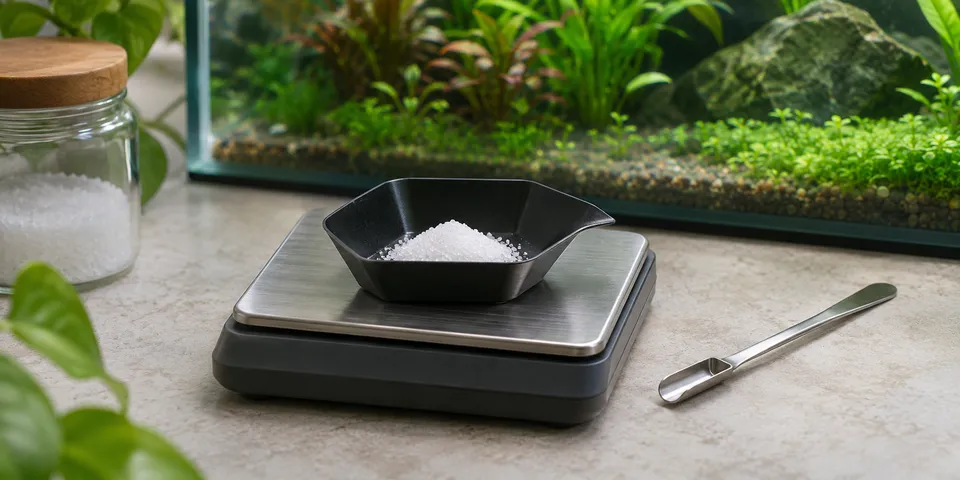
Calculate dry KNO3, KH2PO4, K2SO4, magnesium, and trace doses from editable weekly ppm targets.
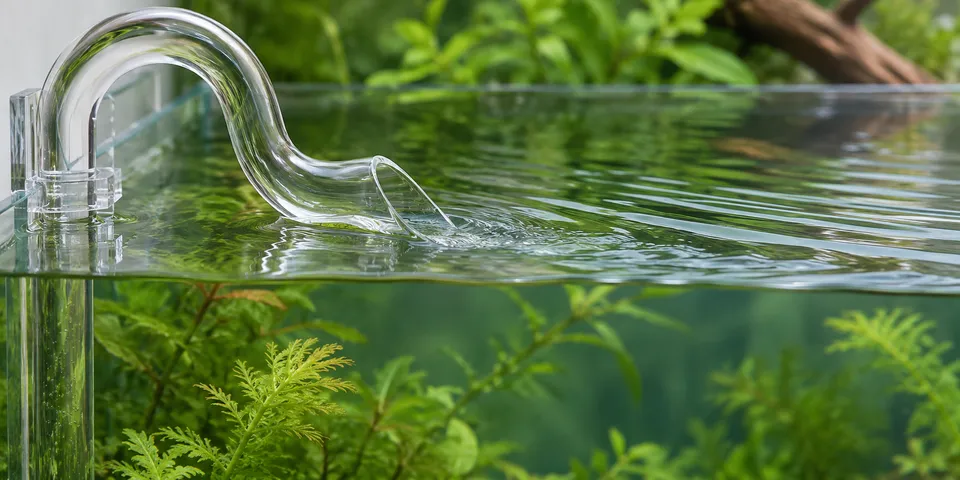
Compare delivered flow with filter or display-circulation planning ranges.
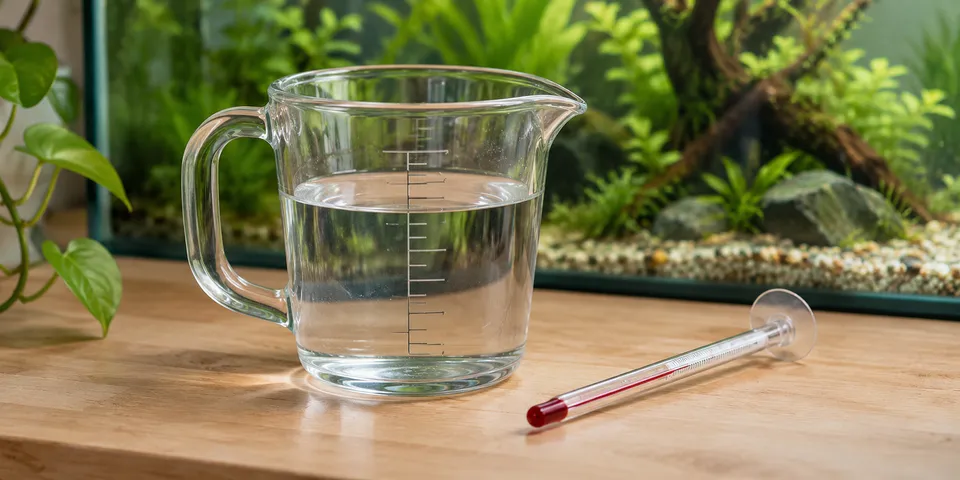
Convert aquarium volume, temperature, length, flow, GH, and alkalinity.
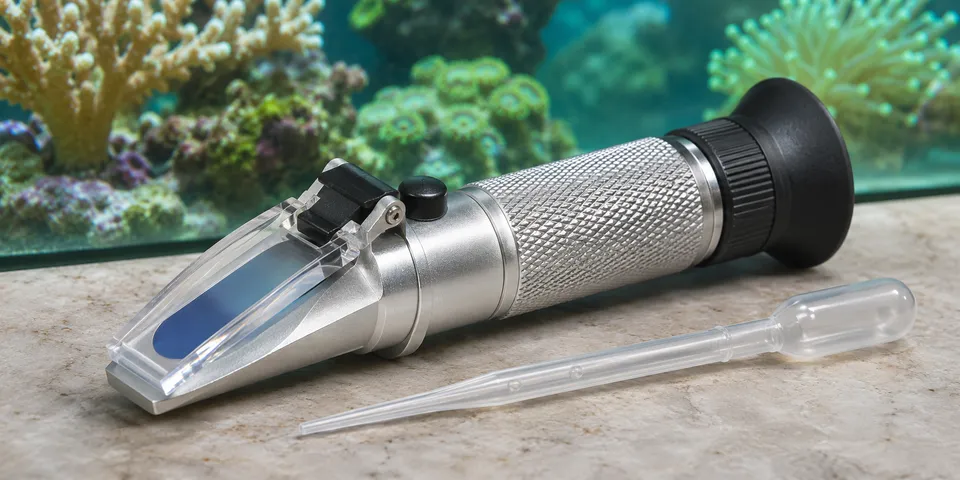
Convert specific gravity and practical salinity with temperature context.
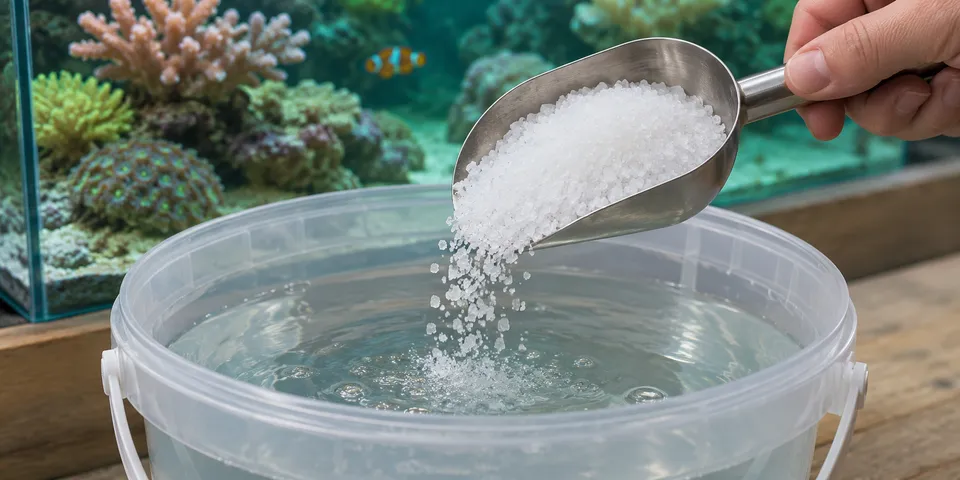
Scale product directions for a new batch or plan separately mixed correction water.
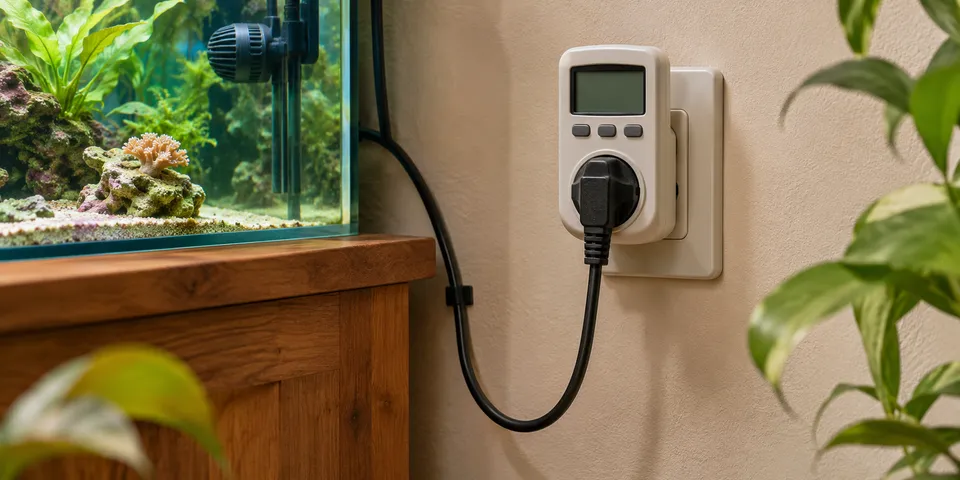
Estimate electricity, replacement water, and recurring aquarium expenses.
Explore aquarium planning tools for tank setup, stocking, aquascaping, nutrients, and planted tank care.
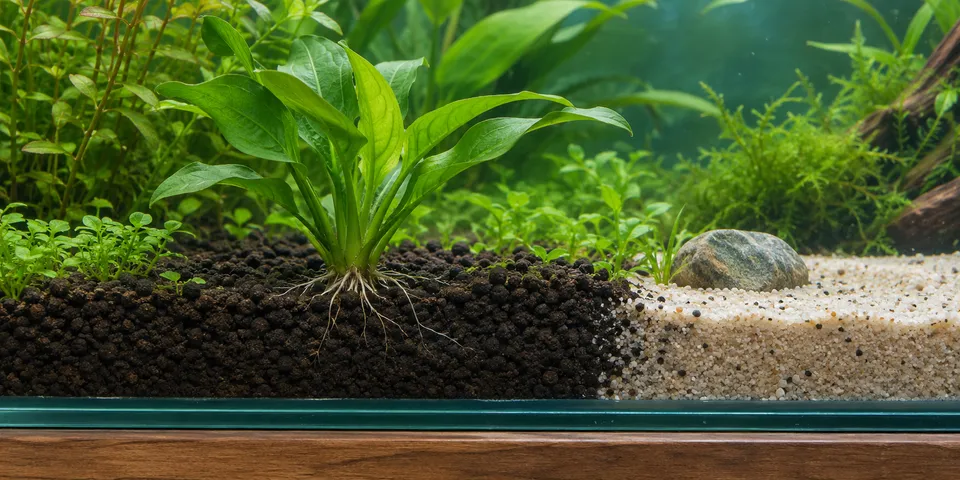
Calculate gravel, sand, or aquasoil volume from tank footprint, front depth, rear depth, and bag size.
Continue in Aquarium Tracker
Add your tanks and livestock, log water parameters, keep maintenance history, and set reminders in the Aquarium Tracker app.
4.837 ratings
4.647 ratings
Cookies & analytics
We use cookies to understand how Aquarium Tracker is used. You can decline non-essential tracking and the site will keep working.